
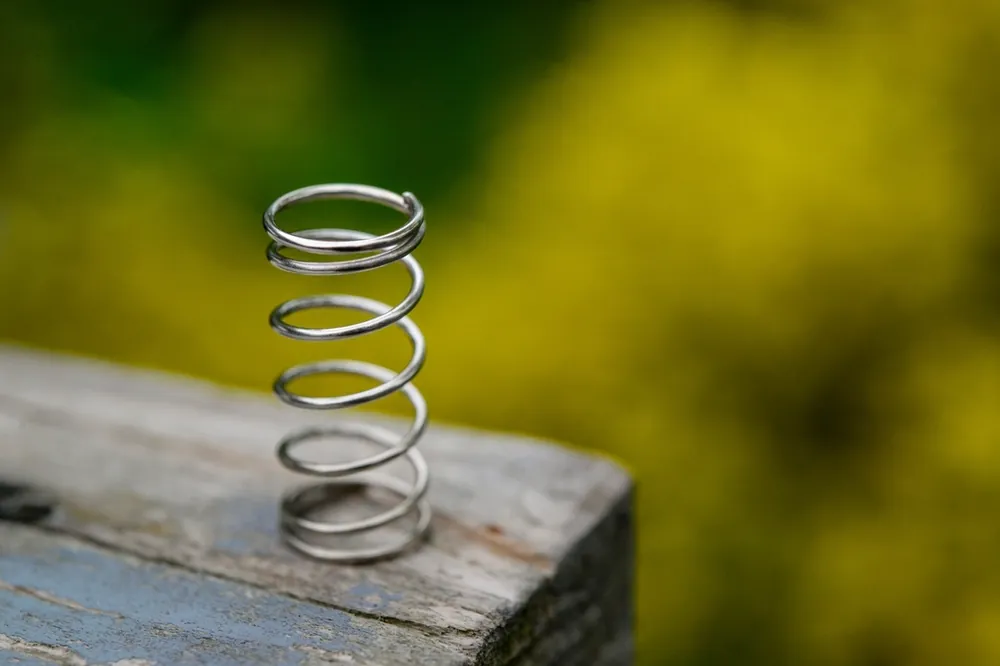
Garage Door Spring Repair
Snapped torsion or extension springs replaced and sized to your door's real weight.
More on Garage Door Spring Repair →Broken torsion and extension springs replaced, sized to your door's weight and drums instead of copied from the snapped one. Homes across Thousand Oaks, Newbury Park and the Westlake side of the Conejo Valley.
Usually it is the spring when a door that worked yesterday suddenly feels like dead weight. These six signs cover most of what people describe on the phone.
A torsion spring that snaps often goes with one sharp crack, and a gap opens in the coil on the shaft.
The springs carry the door's weight. Lift it by hand after one fails and you feel all of it.
An opener steers a balanced door. Asked to lift an unbalanced one, it stalls or reverses partway.
A door that drifts down from fully open usually has too little spring torque left.
Coil rub comes from a spring stretched wrong along the shaft, or a shaft that slides side to side.
Rust thins the working wire and starts fatigue cracks at the pits, so the spring ages early.
Tell us what you heard and saw: one bang, a gap in the coil, or a door that stops at knee height.
We check wire size, inside diameter, length and wind direction, note the drums, and give you a written price.
The door is clamped down and the old spring unwound with proper winding bars. Never a screwdriver.
The new spring goes on at the right number of turns. Then the half-open balance test and the opener reversal check.
| What to check | Torsion spring | Extension spring |
|---|---|---|
| Where it sits | On a shaft above the door opening | Alongside each horizontal track |
| How it works | Twists, and the shaft passes that torque to the cable drums | Stretches as the door comes down |
| When it breaks | Stays on the shaft, so the break is contained | Can fly loose unless a containment cable runs through it |
| Part to inspect | Winding cone, stationary cone, center bearing bracket | The containment cable through each spring |
| Openers it suits | Any type, wall-mount jackshaft units included | Ceiling-rail openers only |
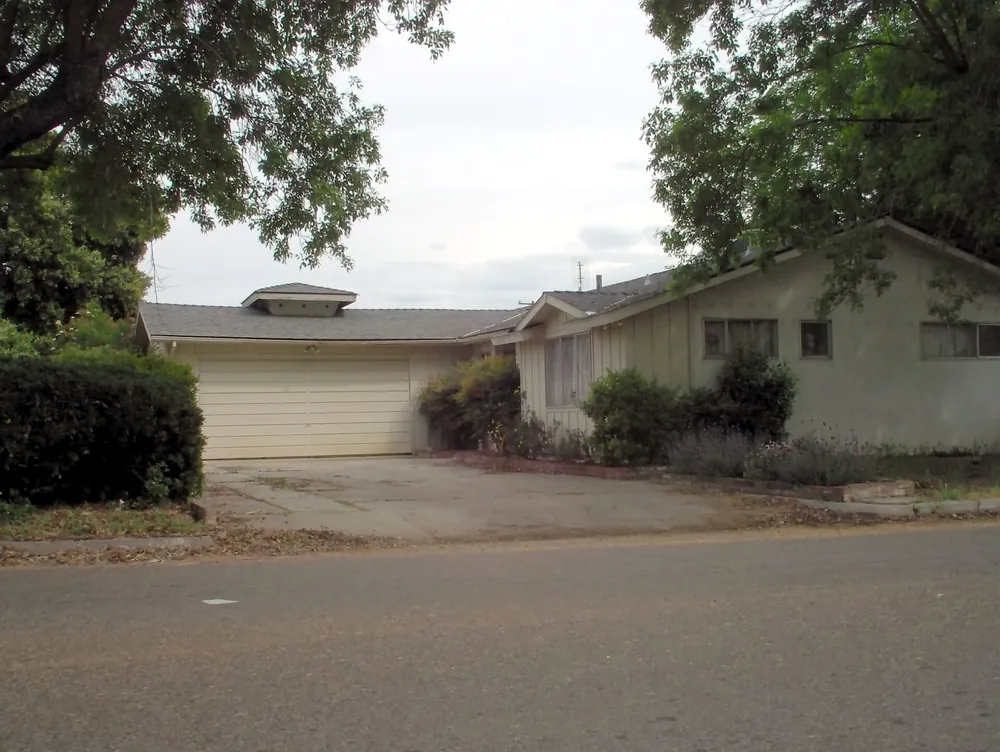
Because a large share of Thousand Oaks homes went up in the same decade. Census estimates put 32.6% of the city's housing units in the 1970s alone, and about 71% between 1960 and 1989, so whole tracts carry doors of a similar age, often on replacement springs nobody kept records for. A standard spring is commonly rated around 10,000 cycles. At two trips a day that is gone in under fifteen years, and a busy family door gets there sooner. Paint and added trim make a door heavier, too, and a spring sized for the old weight wears faster. So we size the new spring to the door as it is today.
DASMA, the door industry's trade body, says spring repairs belong to a trained technician, because the spring and its brackets hold the door's full weight under tension. Our routine is short. Measure first. Price in writing. Unload the old spring safely, and leave the door balanced. On a two-spring door we also tell you how close the second spring looks to the end of its life, and you decide what to do about it.
Sources: DASMA standard 102 and DASMA data sheets TDS-167 and TDS-190.

Springs are the most common call. The same visit can cover cables, rollers, the opener and the seals.
Snapped torsion or extension springs replaced and sized to your door's real weight.
More on Garage Door Spring Repair →Reversing, humming or dead openers traced to sensors, limits, drives or boards.
More on Garage Door Opener Repair →
Snapped cables, doors off their track, worn rollers and bent track put right.
More on Garage Door Cable Repair →
Chain, belt, screw and wall-mount openers with battery backup, set up and tested.
More on Garage Door Opener Installation →
New sectional doors measured on site, with springs, track and seals matched.
More on Garage Door Installation →Tune-ups, safety tests, and seals fitted to the 1/8 inch ember-gap rule.
More on Garage Door Maintenance →